User Authentication for Gambling, iGaming & Online Casinos: Best Verification Channels

Blog
The global online gambling market is expanding rapidly; valued at $78.66 billion in 2024, it is projected to reach $153.57 billion by 2030. Smartphone-based deposits, withdrawals, and gameplay have made digital onboarding increasingly complex.
At the center of this complexity is user authentication. It is no longer just a login step—it sits at the intersection of compliance, fraud prevention, and user experience, requiring enterprises to verify identity, legal age, and transaction legitimacy without slowing the player down.
For any online casino, this creates a difficult balance. Studies show that complex onboarding processes significantly increase abandonment, with many digital platforms losing 60–70% of users during registration or identity verification. At the same time, weak authentication exposes platforms to account takeover, fraud, and regulatory risk.
This guide explores the authentication methods and verification channels used in modern iGaming platforms—and how omnichannel infrastructure helps ensure verification codes reach players reliably across global networks. Platforms like LANCK enable enterprises to deliver authentication messages across SMS and voice from a single system while supporting transactional notifications and omnichannel marketing within the same ecosystem.
Why User Authentication Matters in Gambling and iGaming
The integrity of a digital wagering environment depends on its ability to verify who is entering, transacting, and playing. In a regulated, high-risk industry, strong user authentication is a commercial necessity, not an optional feature.
Fraud Prevention
iGaming fraud cases surged over 60% in 2024, driven by attackers exploiting weak identity controls. Reliable online gambling verification makes abuse harder and more expensive to execute.
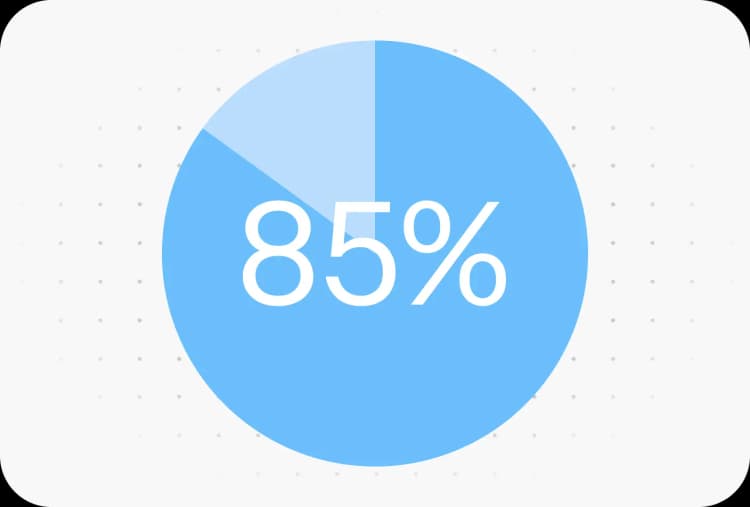
Synthetic identities account for 85% of digital fraud cases, allowing attackers to bypass verification checks and test stolen credentials.
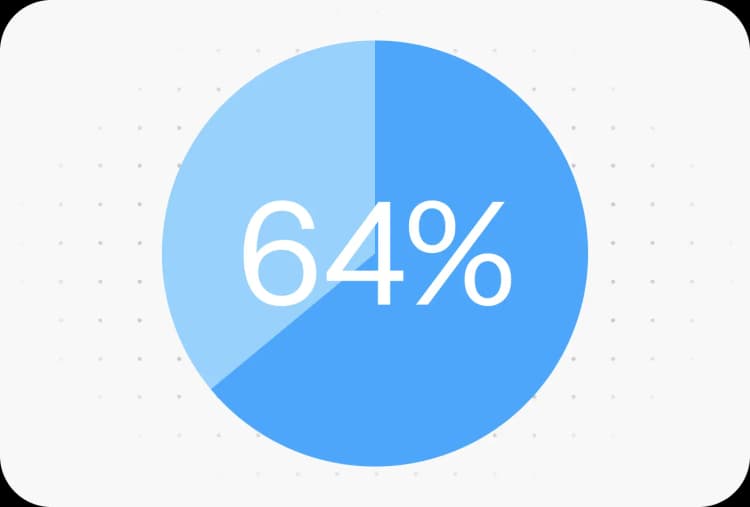
Bonus abuse made up 63.8% of identified fraud cases in 2024, driven by fake profiles exploiting promotional offers.
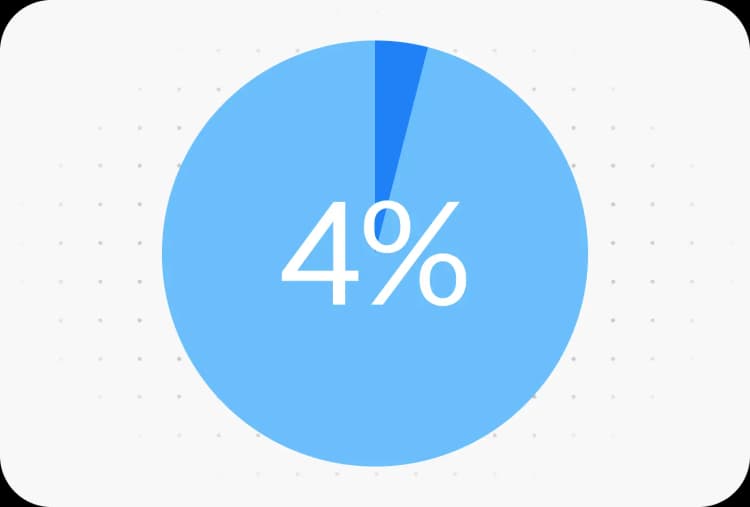
Around 4% of login attempts on gambling platforms are malicious takeover attempts.
To combat this, enterprises are moving away from password-only models toward enterprise authentication infrastructure for secure OTP and 2FA delivery.
Regulatory Compliance
Regulators are cracking down on systemic failures. In 2025, global gambling fines reached approximately $180 million, reflecting stricter enforcement of identity and financial crime controls. For enterprises, authentication is a core compliance requirement that supports:
- KYC gambling procedures to identify players.
- AML controls to reduce financial crime exposure.
- Age verification to prevent underage access.
- Ongoing monitoring to detect suspicious real-time behavior.
Financial platforms face similar challenges. Explore our article on authentication methods used in fintech and banking environments.
Protecting Players and Platforms
Beyond legal mandates, authentication safeguards the "digital wallet." Multi-layered checks prevent unauthorized withdrawals and protect user loyalty value. Furthermore, accurate identity verification is essential for responsible gambling measures, such as enforcing self-exclusion lists and deposit limits across different sessions and devices.
KYC in Gaming and Online Casino Platforms
KYC frameworks in iGaming are not just a regulatory box to tick. They are part of the operating model of a compliant platform.
A good KYC process usually verifies several things at once: identity, age, geography, payment legitimacy, and behavior over time.
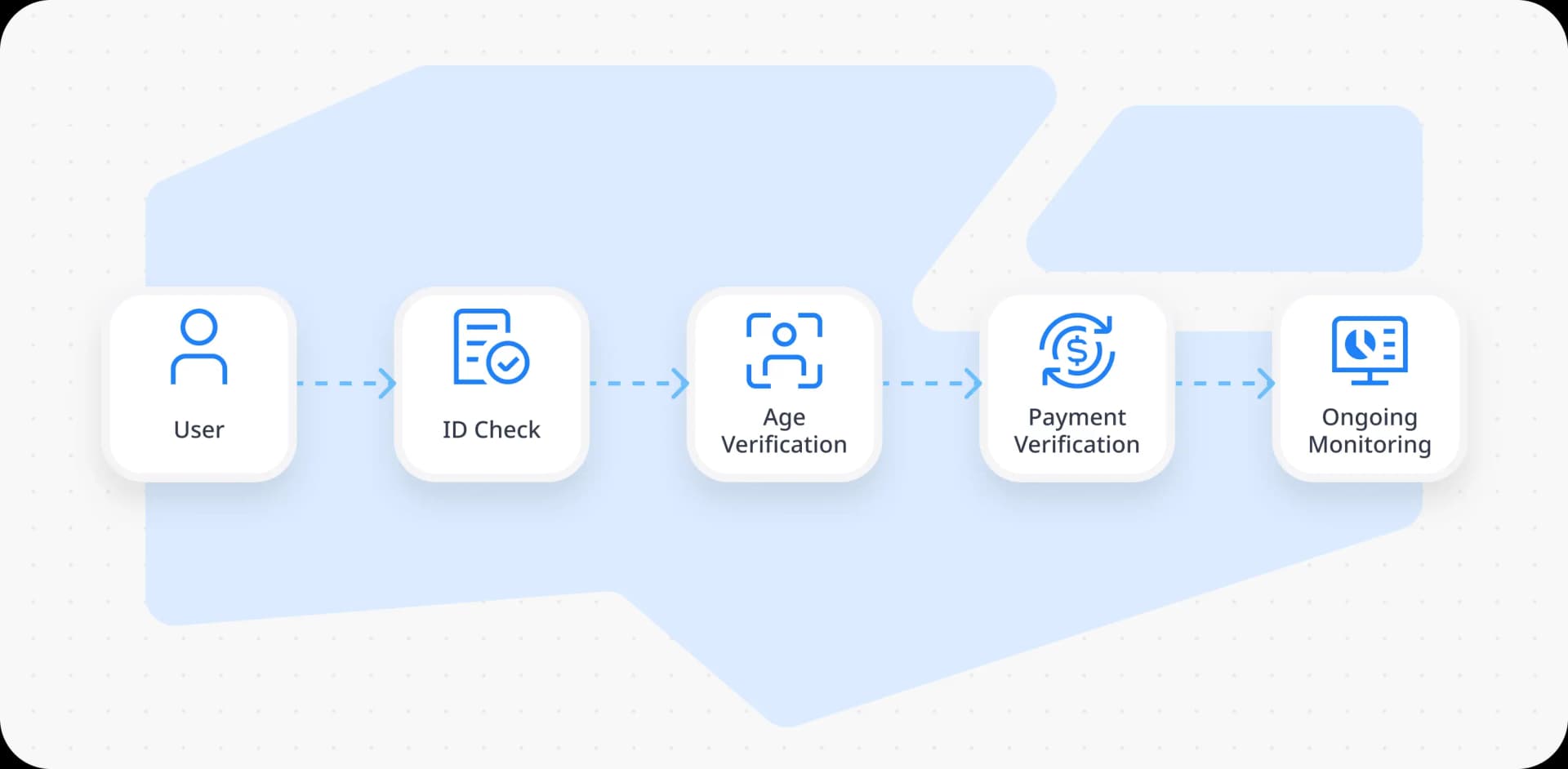
Identity Verification
The first layer of ID verification gaming is confirming that the player is a real person.
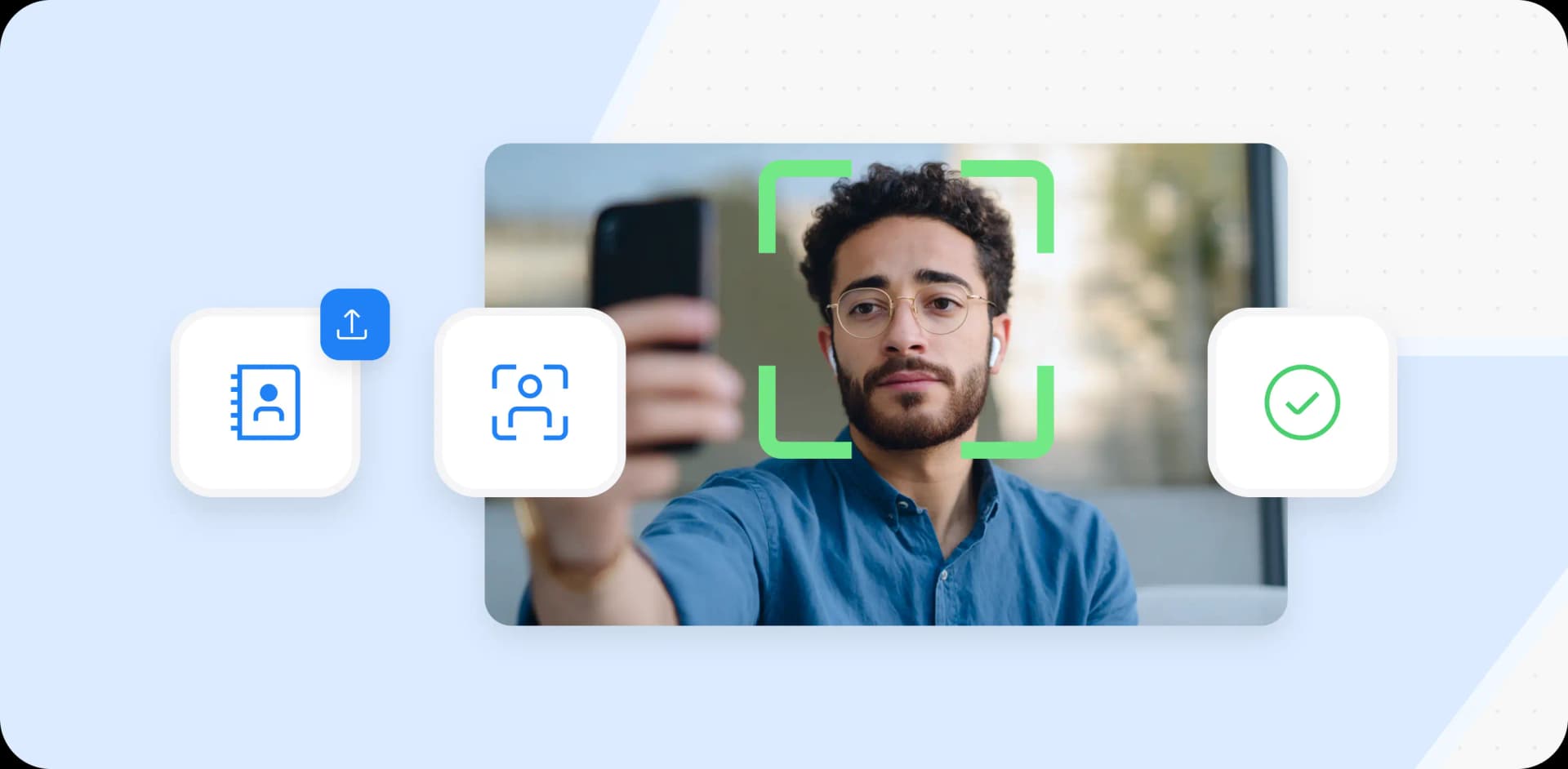
Enterprises typically request a government-issued document such as a passport, driver’s license, or national ID card. That document is checked for authenticity and matched to the person opening the account. In more advanced flows, this is paired with a biometric or liveness check to confirm that the user is physically present and not uploading a stolen image.
Age Verification
Age verification is a core legal requirement. It is not enough to ask a player to self-declare their age. Platforms must confirm that users meet the legal gambling age in the relevant jurisdiction before allowing certain actions such as deposits or gameplay access.
Payment Method Verification
Payment verification supports AML efforts and helps ensure that the payment instrument belongs to the verified account holder. In practice, this reduces the risk of a gambling platform being used to route or disguise suspicious funds.
Ongoing Monitoring
KYC does not stop at onboarding. A robust process includes ongoing monitoring for unusual patterns, such as sudden changes in behavior, repeated failed login attempts, device changes, multiple linked accounts, or suspicious transaction flows.
For a broader overview of authentication infrastructure, see our guide to user authentication methods and channels.
Best Authentication Methods and Channels for Gambling and Casino Platforms
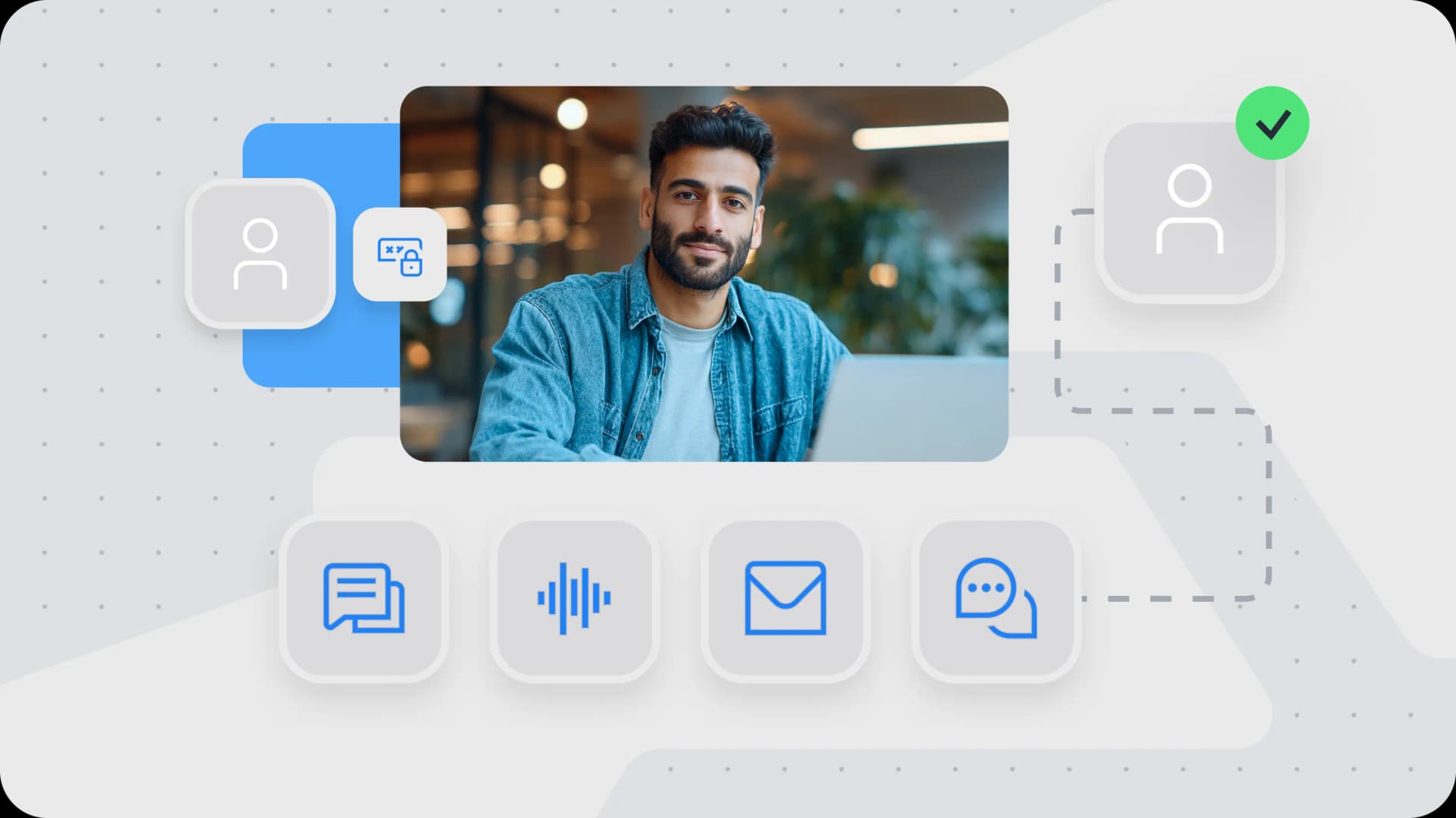
In the iGaming sector, the authentication method (how identity is verified) and the communication channel (how verification reaches the user) must work together. Relying on a single channel creates risks such as delivery failure, carrier filtering, or regional limitations.
This section provides a quick snapshot of how each authentication channel performs across key operational metrics.
SMS Verification
SMS remains the most widely used authentication channel in the iGaming industry because of its universal reach. It requires no app installation and works across nearly every mobile device and network worldwide.
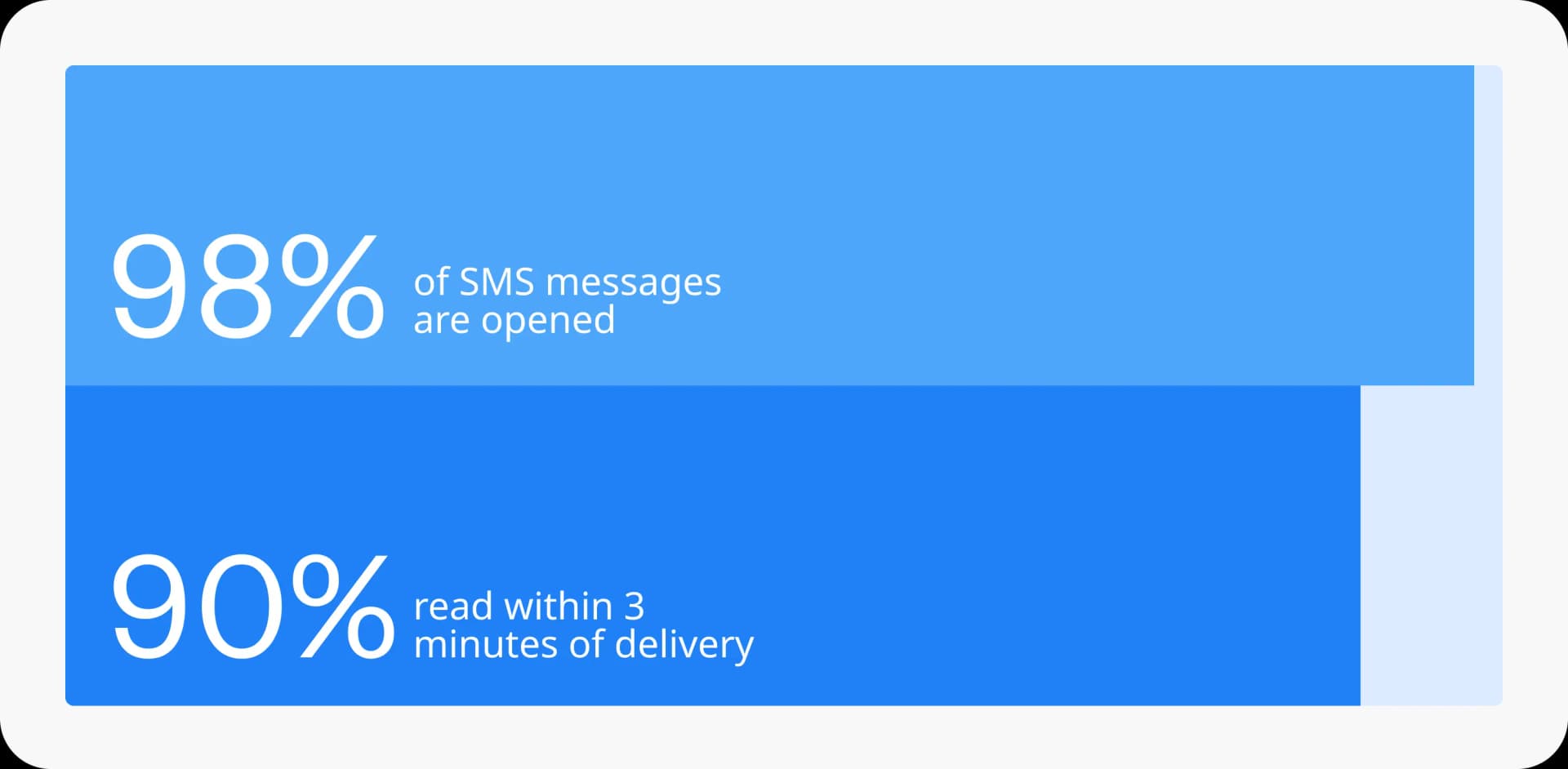
Within the LANCK omnichannel platform, SMS forms the backbone of large-scale security messaging. LANCK processes more than 3 billion SMS messages annually, providing the reliability required for global gambling operations.
Email Verification
Email remains a foundational authentication channel for account management and identity confirmation.
While slower than real-time messaging channels, it provides a persistent contact point tied to the player’s account identity. This makes email particularly valuable for account recovery, device alerts, and security notifications.
For gambling platforms, email often complements faster verification channels within layered authentication strategies.
Voice Call Verification
Voice authentication provides an additional verification channel when messaging delivery is unreliable or unavailable.
Automated voice calls and flash-call verification can be particularly effective in regions with aggressive SMS filtering or where users respond better to phone-based interaction.
When integrated into cascade authentication flows, voice channels significantly improve overall verification delivery success.
Telegram Verification
Telegram is increasingly used as a messaging channel for secure authentication workflows in global iGaming platforms.
With encrypted messaging and branded communication options, enterprises can deliver verification codes through official chats or channels inside an app used for everyday communication.
Telegram reached around 1 billion active users in 2025 and operates in 200+ countries, making it a useful option for platforms serving international audiences.
By coordinating multiple channels within a unified omnichannel authentication platform, enterprises can ensure verification messages reach players reliably across different networks, devices, and geographic markets.
How Verification Channels Work Together
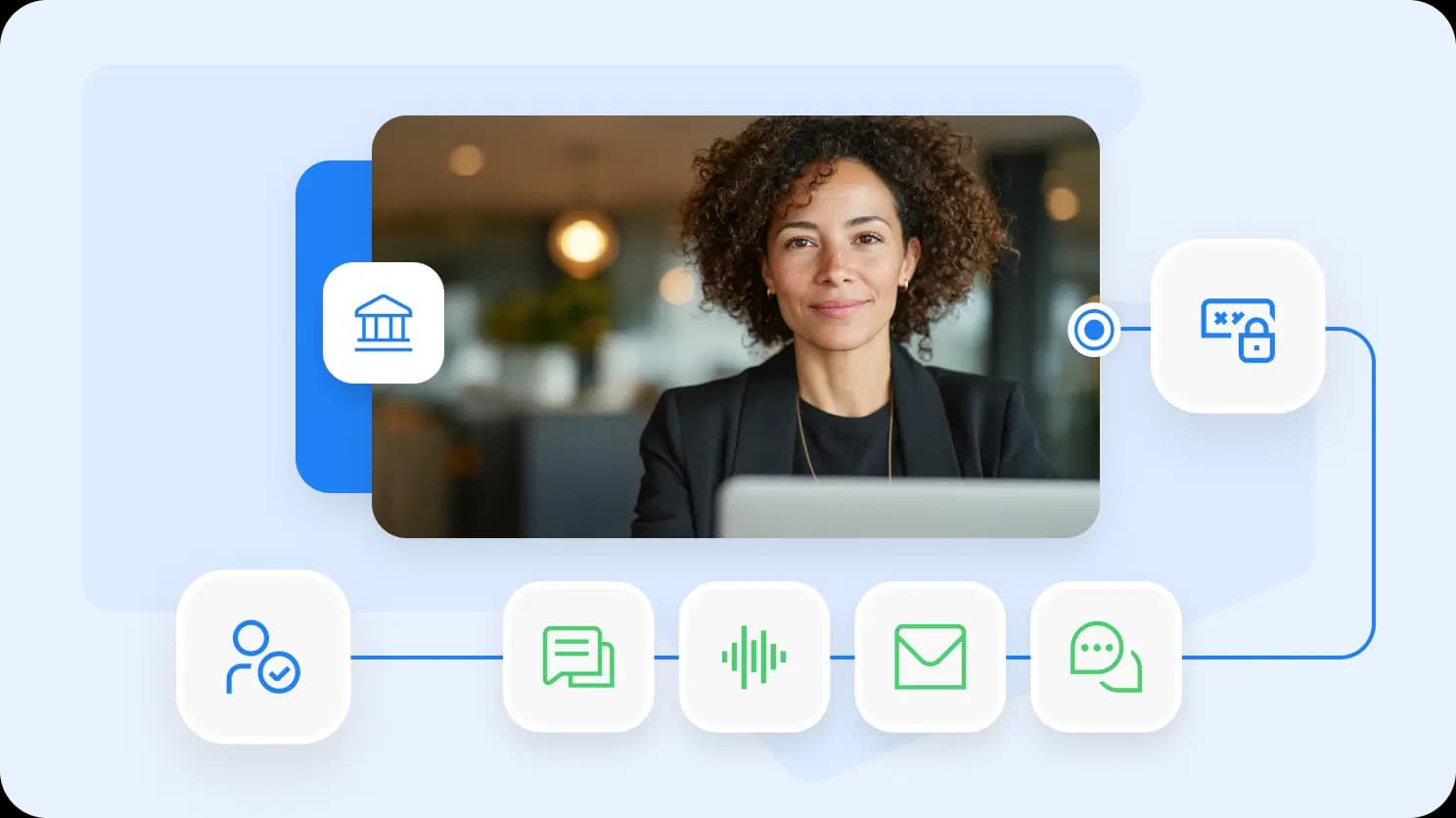
Strong authentication strategies rarely rely on a single communication channel. Instead, modern systems coordinate multiple channels to improve message reach consistency.
An omnichannel verification approach allows authentication codes to be sent through the most appropriate channel, while fallback delivery ensures verification still succeeds if the first attempt fails.
Within the LANCK platform, this is handled through the cascade scenario, which automatically sends verification messages through alternative channels when delivery problems occur. For a deeper explanation of how this works in practice, see our guide to cascade messaging and multichannel fallback.
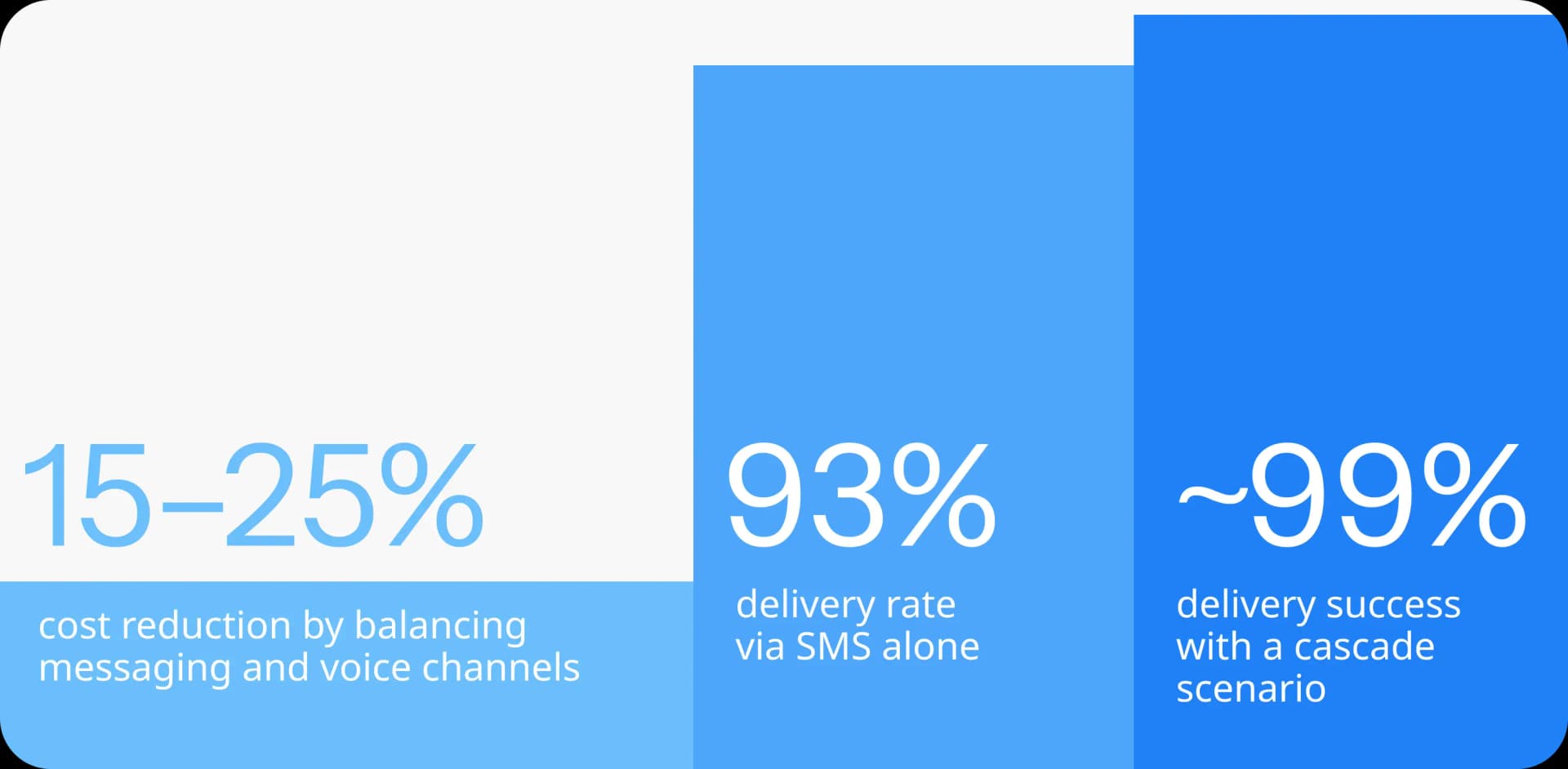
By automatically switching between channels, enterprises can maintain high verification success rates while controlling communication costs.
Example Flow: A Seamless Verification Journey
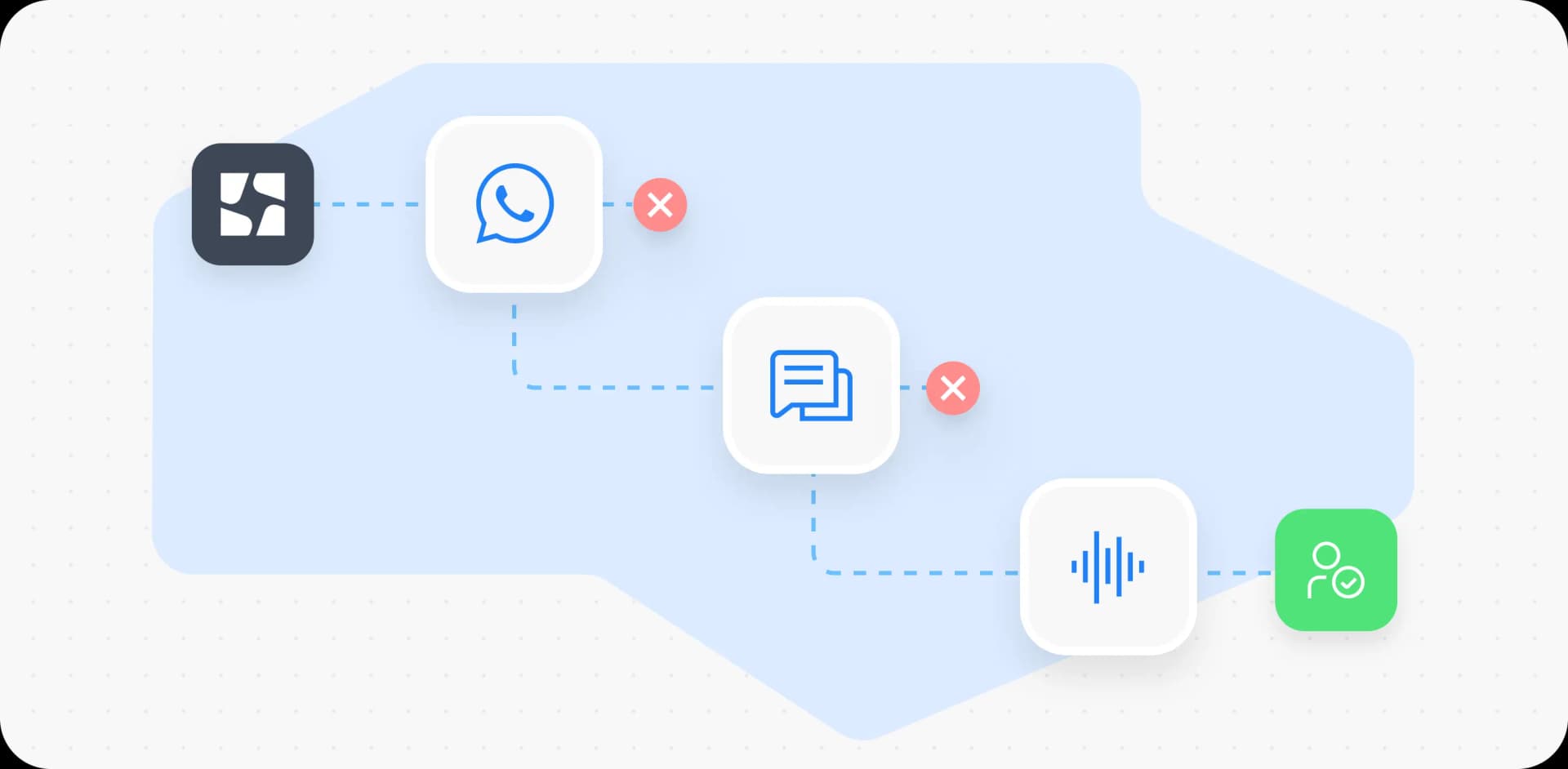
A typical cascade authentication workflow may look like this:
- A player initiates login or requests a withdrawal.
- The platform sends a verification code through Telegram.
- If the message is not confirmed within a defined timeframe, the system retries via SMS.
- If this attempt is unsuccessful, a voice OTP or flash call is triggered.
This intelligent delivery logic ensures authentication messages reach the player even when individual channels experience delays or filtering.
For gambling platforms, cascade verification can:
- Reduce abandoned login attempts
- Ensure verification codes reach users across different networks and regions
- Minimize friction during withdrawals or security checks
- Prevent authentication failures from causing user churn
Two-Factor Authentication (2FA/MFA) for Gambling Platforms
What is 2FA in Gambling?
Two-factor authentication gambling protocols require players to provide two independent forms of proof before accessing an account or authorizing a transaction. Typically, this involves a password combined with a dynamic code delivered via SMS, voice, Telegram, or email. The core advantage is simple: even if a password is stolen, the account remains inaccessible without the second factor.
Examples of 2FA for Online Casinos
The ideal 2FA combination depends on the specific market, device environment, and fraud risk. Common implementations include:
| Primary Factor | Secondary Factor |
|---|---|
| Password | SMS OTP |
| Password | Telegram OTP |
| Email confirmation | SMS OTP |
| Biometric login (FaceID/Fingerprint) | Mobile OTP |
| Password | Automated Voice OTP fallback |
Why 2FA Gambling Security is Essential
In high-stakes iGaming environments, a compromised account can lead to unauthorized withdrawals, altered payment details, and financial fraud. Security research indicates that enabling multi-factor authentication blocks over 99.9% of automated account compromise attempts, making it the most effective defense against credential-based attacks.
For online casinos, this extra layer has become the industry standard for protecting player funds and platform integrity during logins, payouts, and sensitive account changes.
Choosing the Right Authentication Channels for Online Casinos
Selecting the right authentication channels starts with defining what matters most for your platform. Before comparing specific channels, enterprises evaluate a set of core requirements:
| Factor | Why it matters |
|---|---|
| Global Delivery Reliability | Verification channels must function consistently across different countries and mobile networks. |
| Fraud Resistance | Channels should support secure OTP delivery and integrate with fraud prevention systems. |
| Speed and Latency | OTP messages must arrive quickly enough to avoid interrupting login or payment workflows. |
| Player Experience | Authentication should remain simple and intuitive so that security measures do not discourage legitimate users. |
| Regulatory Compliance | Verification channels must support KYC, AML, and age verification requirements in regulated gambling markets. |
In practice, platforms combine multiple channels to meet these requirements—balancing reach, speed, and user experience across different markets.
Need a reliable authentication solution?
Our team can show you how LANCK Platform enables secure, high-delivery authentication at scale while keeping onboarding and login seamless.
Comparison Table: Online Casino Verification Channels
Once requirements are defined, the next step is comparing how each channel performs in practice. The table below highlights the strengths and limitations of the most common authentication channels used in iGaming.
| Channel | Typical Use | Primary Advantages | Limitations |
|---|---|---|---|
| SMS | OTP login and registration | Universal reach, no app required, fast delivery | Vulnerable to SIM swapping and filtering |
| Voice | OTP fallback and landline verification | Accessible, multilingual, useful where SMS fails | Can feel intrusive, higher perceived friction |
| Account recovery and confirmations | Universal, persistent identity contact point | Slower, weaker for real-time verification | |
| Telegram | Instant verification | Fast delivery, secure environment, branded options | Smaller adoption than SMS in many markets |
Future of Authentication in iGaming and Online Gambling
iGaming platforms are shifting toward adaptive, "continuous" security to prevent churn. Enterprises are replacing static logins with biometrics, passwordless entry, and behavioral monitoring to protect players without interrupting gameplay.
However, even the most advanced security is useless if it cannot reach the player. The "last mile" remains the core challenge: delivery failures lead to stalled withdrawals, abandoned sessions, and high support costs. Consequently, modern strategies prioritize omnichannel verification, utilizing redundant delivery routes to ensure OTPs and confirmations arrive instantly, every time.
LANCK Platform facilitates this transition via high-throughput infrastructure designed for stability and global scale:
- Global Reach: OTP delivery to 190+ countries.
- Omnichannel Access: Unified SMS, Voice, Telegram, Viber, and Email.
- Resilient Infrastructure: 99.99% API uptime and 2,000 TPS throughput.
- Customizable Automated Cascading: Smart channel switching to ensure delivery and optimize costs.
- Security & Insights: Real-time analytics and AI-driven fraud protection.
These capabilities guarantee that user authentication succeeds despite network fluctuations or roaming challenges. For a broader perspective on modern engagement, explore these enterprise communication use cases.
Get Reliable iGaming Authentication with LANCK
In the fast-paced iGaming sector, authentication reliability is the bridge between security and growth. It directly impacts onboarding success, transaction completion, and long-term player trust.
The most effective strategies don’t sacrifice speed for security. Instead, they pair robust authentication methods with resilient delivery infrastructure. This ensures critical security checks succeed instantly, maintaining a seamless player experience.
LANCK provides an enterprise authentication platform engineered for these high-stakes requirements. We empower enterprises to deliver secure OTP and 2FA verification across global networks with a "zero-failure" mindset.
Achieve higher verification success, meet global compliance standards, and eliminate operational friction with a partner built for scale.
FAQ
What is KYC in gambling?
KYC in gambling is the process of verifying a player’s identity, age, and sometimes address or payment ownership before allowing certain account actions. It helps prevent fraud, underage gambling, and financial crime.
Why is two-factor authentication important in online casinos?
Because gambling accounts can contain funds and payment access, passwords alone are not enough. 2FA adds a second barrier, making account takeover significantly harder.
What is online gambling verification?
Online gambling verification is the process of confirming that a player is the legitimate account owner and is eligible to use the platform. It usually includes identity checks, age verification, and authentication steps during login or withdrawals.
How do casinos verify player identity?
Casinos typically verify identity through government-issued documents, biometric or liveness checks, age confirmation, payment verification, and ongoing behavior monitoring.
What authentication channels are most common in iGaming?
SMS remains one of the most common channels, but voice, email, and Telegram are increasingly used depending on the market and the type of action being verified.
Can online casinos verify users instantly?
In many cases, yes. Automated systems can deliver OTP codes and process parts of identity verification very quickly, especially when the platform uses fast messaging channels and integrated onboarding workflows.
Is Telegram verification secure for online casinos?
Yes, when properly implemented. It offers a trusted messaging environment and strong user familiarity, which can improve both trust and response rates.
What happens if a gambling platform skips KYC?
Skipping KYC can expose the enterprise to fraud, regulatory penalties, reputational damage, and in some jurisdictions license suspension or revocation.
How does message cascading improve authentication?
It increases delivery reliability by rerouting OTPs through another channel if the first attempt fails. For example, a system may try Telegram first, then SMS, then voice.
When should voice OTP be used instead of SMS?
Voice OTP is useful when SMS delivery is unreliable, when landlines are relevant, or when enterprises want a cost-effective fallback in markets where voice performs well.